Anti-Slip Stair Nosing
Anti-slip stair nosing not only ensures the safety of staircase users but also reduces the risk of missteps. Stair edging products are designed to enhance grips and help avert slips, trips and falls. Every day foot traffic, along with bearing heavy loads, might damage the edges of stairs. So, stair nosings also help protect these edges.
This category features stair nosing that comes in different modern and traditional interiors. These finishes include metal, PVC, and rubber. Customers can avail a choice of robust aluminium profiles, a classy wood effect, durable UPVC, LED stair nosings and decorative bullnose. Each product is intended to enhance stair safety and add a clean, professional look to stairs.
Durable Aluminium Stair Nosing
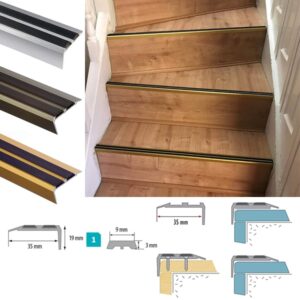
Aluminium Stair Nosing is one of the more popular items in this range. These products have a great strength, durability and a trendy finish. Aluminium stair nosings can be used in residential and commercial applications as they can withstand heavy daily use.
They offer additional traction on stair edges while enhancing visibility while ascending stairs. They can be used for a long time. As they will not rust. Go for a stair life with at least 26 products whose size, finish and profile can be suited to a stair.
Stylish Wood Effect Stair Nosing
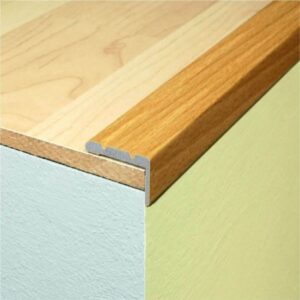
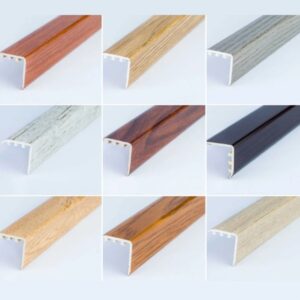
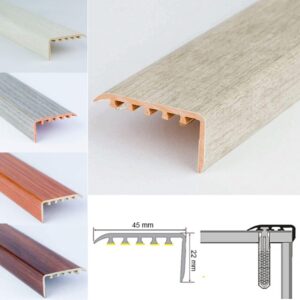
The Aluminium Wood Effect Stair Nosing range is ideal for clients looking for a staircase with a natural wood look. These products, made from aluminium, are strong and resemble wooden products. They are compatible with laminate and wooden stair flooring while providing additional protection to the stairs
The realistic wood effect finish helps create a warm and modern interior effect. Stair nosings can be very easy to maintain and suitable for home, apartment and office stairs.
Popular Best Seller and Bullnose Designs
The Best Seller Stair Nosing collection is filled with the most trustworthy and popular stair safety products. These designs are a popular selection for their durability, easy assembly and good appearance.
The range of Bullnose Stair Nosing is perfect for rounded stair edges and decorative finishes. These items not only protect and beautify staircases, but they also enhance their aesthetic appeal. Reword the above 10 words and sentences. They are very useful in doctors’ accessories.
LED and UPVC Stair Nosing Options
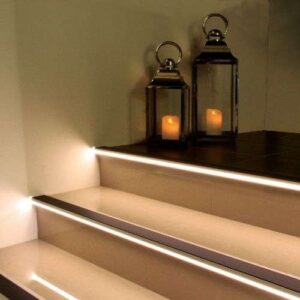
LED stair nosing is an innovative solution for illuminating the stair edges for safety. These products come with built-in lighting that helps people use stairs in the dark. They suit cinemas, hotels, offices and any chic interior projects.
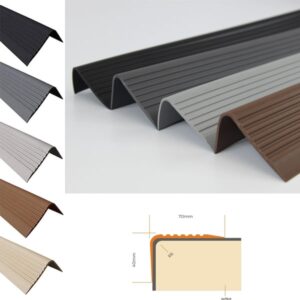
Developing efficient and cost-effective systems is the top-of-the-line UPVC Stair Nosing. The installation is easy, has a simple cleaning process, adaptable to various floorings, etc. With a strong build, they keep stair edges safe while making it better-looking.
Frequently Asked Questions
What is stair nosing?
Stair nosing is the protective edging strip fitted along the front lip of a stair tread, where the step is most exposed to wear and slipping. Usually made from aluminium, uPVC, or rubber, it covers the raw flooring edge and often includes a contrasting colour or textured grip to improve visibility and traction on each step.
What is the purpose of stair nosing?
Stair nosing protects the front edge of each step from wear and damage while covering the raw edge of the flooring for a neater finish. It also improves safety by adding a slip-resistant, often contrasting edge that boosts visibility and grip, helping prevent missed steps and trips.
Is stair nosing required by UK building regulations?
Stair nosing itself isn’t always named directly, but Approved Document K and Approved Document M require adequate step visibility and slip resistance, which nosing helps deliver. It’s generally expected in commercial, public, and multi-occupancy buildings to meet these standards, so it’s worth checking the specific requirements for your property type.
What are the different types of stair nosing?
Stair nosing comes in materials like aluminium, uPVC, rubber, and carpet-edge trims, each suited to different flooring types and traffic levels. It also varies by profile, from rounded bullnose and square-edge designs to flush or overlap styles, plus grooved, anti-slip, or LED-lit versions for extra visibility and grip where it matters most.
How do you install stair nosing?
Clean and measure the edge of each step, then cut the nosing to size and dry-fit it before committing. Apply adhesive or use screws along the underside, press it firmly into place, and let it cure for about 24 hours before using the stairs regularly.
Can stair nosing be fitted to existing stairs?
Yes, most stair nosing is designed to be retrofitted onto existing steps without needing to replace the whole staircase. Overlap or self-adhesive styles are especially popular for this, since they can be glued, screwed, or bolted directly over the current step edge with minimal cutting or disruption.
What is the best stair nosing for wooden stairs?
It depends on your priorities, flush solid wood nosing, like oak or walnut, gives a seamless, high-end look that matches your stairs naturally but needs more upkeep over time. For heavy traffic or maximum slip resistance, a wood-effect aluminium or UPVC nosing with grit or rubber inserts offers the same timber appearance with far better durability and safety.
How do I clean and maintain stair nosing?
Sweep or vacuum away loose debris first, then clean with a pH-neutral cleaner or mild soap using a soft brush to protect the anti-slip texture. Rinse with clean water and dry it completely, since leftover moisture can create a slip hazard, and avoid harsh abrasives or strong chemicals on aluminium or wood-effect finishes that could dull the coating.
Does stair nosing improve safety?
Yes, stair nosing improves safety by adding a slip-resistant, often contrasting edge that makes each step easier to see, helping prevent trips and missed steps. The slight overhang also adds extra tread space for safer footing, while protecting the leading edge from wear so the step stays sturdy over time.